Weeping Willow: A Designer’s Review for Real Projects
As an embroidery designer who has spent years digitizing patterns and reviewing thousands of machine embroidery designs, I approach every new file with a critical eye. We are not just looking for pretty pictures; we are looking for stitch integrity, flow, and commercial viability. When I loaded the Weeping Willow design into my software, my first thought was about its potential in the current market. Nature-inspired motifs are timeless, but execution is everything. This piece, categorized under Forest themes, promises a cute and fancy touch to home accessories, but does it hold up under the needle?
First Impressions and Visual Personality
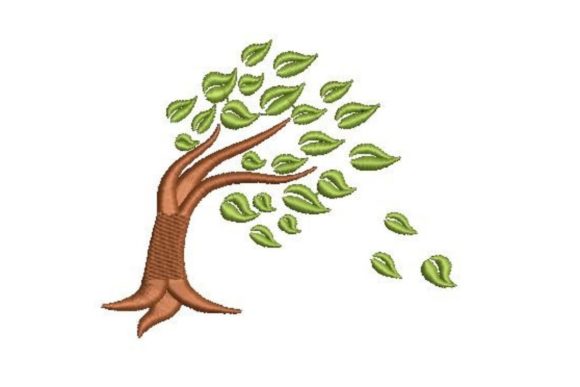
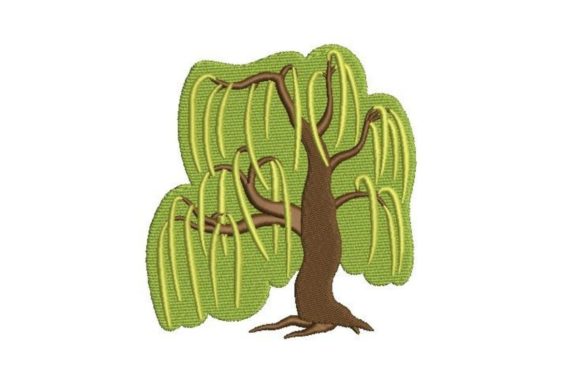
The initial visual impact of Weeping Willow is soft and inviting. Unlike rigid geometric patterns or heavy traditional florals, this design captures the organic, cascading movement of willow branches. For a designer, this fluidity is both a blessing and a challenge. The layout feels balanced, avoiding the common pitfall of top-heavy designs that pull on lightweight fabrics. The mood it creates is serene and whimsical, making it an excellent candidate for products that aim to evoke comfort and nostalgia.
What stands out immediately is the attention to detail in the digitization. The description notes it is "perfectly digitized," and in my preliminary inspection, the transition between stitch types appears smooth. There is a thoughtful mix of satin stitch for the trunk or main branches, providing structure, and finer fill stitches or running stitches for the delicate leaves. This variation is crucial for creating depth without excessive bulk. For those of us selling handmade products, this level of nuance separates a amateur-looking item from a boutique-quality finished product.
Real-World Application: The Tote Bag Test
To truly evaluate an embroidery file, I mentally place it on a real-world substrate. Let’s consider a custom embroidered tote bag, a staple for any Etsy seller or craft business. Cotton canvas is forgiving, but it requires a design that doesn’t pucker. Weeping Willow seems ideally suited for this application. The vertical orientation of the willow branches complements the rectangular shape of a tote, drawing the eye downward in a graceful sweep.
I imagine stitching this in earthy thread colors—moss greens, soft browns, and perhaps a hint of sage. On a natural beige canvas, the contrast would be subtle yet sophisticated. This isn’t a loud, shouting design; it’s a whisper. For a small shop owner, this versatility is key. It appeals to customers looking for personalized gifts that feel understated and elegant rather than flashy. It fits seamlessly into a brand identity focused on sustainability, nature, and slow living.
Beyond Bags: Apparel and Home Decor
Expanding beyond totes, I see strong potential for sweatshirt embroidery. Placed on the left chest or as a larger back piece, the design adds a fancy touch without overwhelming the garment. However, one must be mindful of the fabric texture. Fleece and heavy cotton blends behave differently. The density of the fill stitches in the leafy areas needs to be monitored to prevent stiffness. If the digitizer has optimized the stitch density well, as suggested, it should lay flat and remain soft against the skin.
For home accessories, think pillow covers or kitchen towels. A linen tea towel with Weeping Willow stitched in monochrome white-on-white or cream-on-cream would be stunning for wedding gifts or holiday embroidery collections. The intricate details of the willow leaves can shine when the texture of the fabric interacts with the sheen of the thread. It transforms a simple household item into a cherished keepsake.
Technical Considerations and Cautionary Notes
While the design is promising, practical experience dictates caution in specific scenarios. Any experienced embroiderer knows that not all files work everywhere. Here is where you need to pay attention:
- Fabric Choice: Avoid using this on very thin or stretchy fabrics like jersey knits without proper stabilization. The weight of the stitches could cause distortion. Always use a high-quality cut-away stabilizer for garments that will be washed frequently.
- Hoop Size: Check the specific dimensions before starting. While it comes in multiple embroidery file formats, ensure your hoop size accommodates the full spread of the willow branches. Cropping a design like this can ruin the aesthetic balance.
- Small Details: If you are scaling the design down for baby embroidery or small patches, inspect the tiniest leaves. Running stitch elements might disappear if scaled too small. Test on scrap fabric first to verify clarity.
- Dark Fabrics: On dark backgrounds, ensure your thread colors have enough contrast. A dark green on black navy might get lost. Consider using lighter shades or adding a subtle underlay if your machine allows for complex layering.
Another critical area is curved surfaces, such as caps. Embroidering a wide, sweeping design like Weeping Willow on a curved cap brim or front panel requires precise hooping and possibly a different digitizing approach to account for the curve. If the original file wasn't specifically optimized for caps, proceed with care to avoid registration issues.
Commercial Viability and Brand Trust
For digital product sellers and creative entrepreneurs, the value of Weeping Willow lies in its professionalism. Customers can spot a poorly digitized design from a mile away. Loose threads, jumps, and uneven fills erode trust. A clean, well-executed design enhances brand consistency. When a customer receives a personalized gift featuring this motif, the quality of the stitch work reflects directly on your reputation.
This design supports various commercial embroidery projects. Whether you are creating printable mockups for your online store or producing physical inventory for a craft fair, the versatility of the Forest theme appeals to a broad demographic. It works for spring collections, earth-day promotions, and even melancholic, artistic winter lines. The emotional resonance of the weeping willow—symbolizing resilience and grace—adds a narrative layer to your products that buyers connect with.
Final Designer Notes
Before you commit to a large production run or list this as a new digital embroidery file in your shop, take these steps:
- Test Stitch: Always run a test on the actual fabric you intend to use. Check for puckering and thread breaks.
- Color Theory: Experiment with thread colors. Try a monochromatic scheme for a modern look, or contrasting tones for a vibrant pop.
- Licensing Check: Confirm the license terms. Can you sell finished items? Are there restrictions on digital redistribution? Never assume; always read the fine print provided with the download.
- Mockups: Create high-quality images showing the design on different products. Show it on a tote, a shirt, and a pillow. This helps customers visualize the end result and increases conversion rates.
In conclusion, Weeping Willow is a strong contender for your design library. It offers the right blend of aesthetic charm and technical feasibility for most standard embroidery projects. With careful attention to fabric choice and stabilization, it can elevate your handmade product line, offering customers a piece of art that feels both personal and professional. It is a design that respects the medium of embroidery, leveraging stitch types to create texture and movement rather than just filling space. For the serious maker, it is a tool worth mastering.