Reviewing Introduction to Needle Lace for Brand Use
As an embroidery designer who has spent years digitizing logos and creating custom assets for small businesses, I approach every new machine embroidery design with a critical eye. It is not just about whether a pattern looks pretty on a screen; it is about how it performs on fabric, how it holds up in the wash, and most importantly, how it elevates a brand’s identity. Recently, I reviewed Introduction to Needle Lace, a product categorized under Embroidery Classes, to determine its viability for commercial use. While the title suggests an educational resource, the aesthetic principles of needle lace offer unique opportunities for branded merchandise if applied correctly.
First Impressions: Elegance Meets Handmade Charm
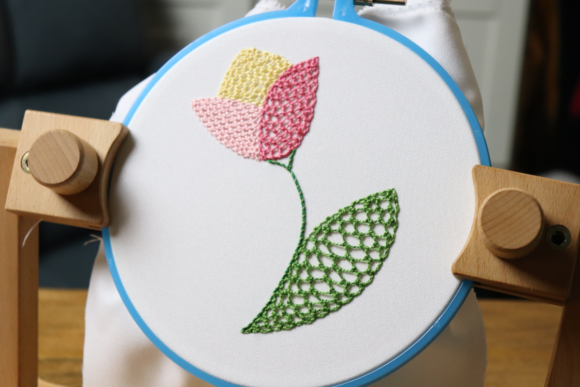
The concept of needle lace dates back centuries, representing a pinnacle of textile artistry. When evaluating Introduction to Needle Lace for potential business application, the immediate impression is one of refined elegance and timeless craftsmanship. Unlike bold, modern geometric logos or playful cartoon mascots, this style communicates sophistication, heritage, and attention to detail. For a boutique, a high-end florist, or a artisanal bakery, this visual language is powerful. It signals to the customer that the business values quality and tradition.
However, from a technical standpoint, "lace" implies openwork, fine threads, and intricate connectivity. In the world of digital embroidery, this translates to specific challenges. The design must balance the delicate appearance of handmade lace with the structural integrity required for machine stitching. If the stitch density is too low, the fabric may show through excessively, looking sparse rather than intentional. If it is too high, the thread may bunch, losing the airy quality that defines lace. My initial assessment suggests that this design works best when treated as a premium accent rather than a heavy, solid fill.
Real-World Applications for Small Business Merch
For small business owners, Etsy sellers, and merch creators, the utility of a design like Introduction to Needle Lace depends heavily on the substrate. Here is how I envision this aesthetic performing across various commercial embroidery projects:
- Embroidered Patches: This is perhaps the strongest use case. A lace-inspired patch can be sewn onto denim jackets, canvas tote bags, or linen aprons. Because patches are often made on sturdy twill or felt backing, they can support the intricate stitch patterns without distortion. This allows brands to add a touch of vintage charm to their small business merch without compromising durability.
- Apron Embroidery: For creative studios, bakeries, and florists, staff uniforms are walking billboards. An apron featuring a subtle lace motif on the pocket or chest area adds a layer of professionalism and warmth. It softens the industrial look of a workspace and reinforces a handmade product narrative.
- Tote Bag Design: Canvas totes are staples for retail shops. A lace-style embroidery in contrasting thread colors can serve as a sophisticated logo alternative. It appeals to customers who appreciate artisanal details and are likely to reuse the bag, extending brand visibility.
- Cap Embroidery: This requires caution. While a small lace accent on the side panel of a cap could be stylish, the curved surface of a cap front can distort fine details. I would recommend using this design only on flat-brimmed caps or as a small chest emblem on structured hats where the fabric is stabilized tightly.
Navigating Technical Challenges and Fabric Constraints
While the aesthetic appeal is high, the technical execution of Introduction to Needle Lace demands precision. As a designer, I always advise clients to consider the following constraints before committing to a large production run:
- Fabric Texture and Stability: Lace designs struggle on loose-weave fabrics or stretchy materials like jersey knits unless a high-quality cut-away stabilizer is used. Without proper support, the stitches may pull the fabric, causing puckering. This design shines on stable, medium-to-heavy weight cottons, linens, and twills.
- Size Limitations: Intricate details disappear at small sizes. If you plan to use this as a tiny logo on a collar or a small tag, ensure the digital embroidery file has been optimized for reduced dimensions. Lines that are too thin may break during stitching or washing. Always test a sample at the intended size.
- Thread Color Contrast: To make the lace pattern visible, there must be sufficient contrast between the thread and the fabric. White-on-white lace can look stunning but requires perfect lighting and high-resolution stitching to be appreciated. For everyday merchandise, using a contrasting color ensures the design is recognizable from a distance.
- Washability: Items like aprons and uniforms undergo frequent washing. Ensure that the stitch connections in the lace design are robust. Delicate bridges between stitch areas may snap after multiple cycles if not digitized with adequate tie-ins.
Enhancing Brand Identity and Customer Trust
Incorporating a design like Introduction to Needle Lace into your brand identity does more than just decorate a product; it shapes perception. In a market saturated with mass-produced goods, embroidered items with a handmade feel stand out. They suggest that the business owner cares about the tactile experience of their customers. This builds trust and emotional connection.
For example, a local coffee shop using lace-embroidered sleeves on their reusable cups or aprons creates a cozy, inviting atmosphere. A pet brand using similar motifs on bandanas or collars conveys a sense of care and gentleness. These subtle cues influence buyer engagement and can justify a higher price point for custom apparel and accessories. The perceived value of a well-executed embroidered item is significantly higher than that of a printed one, making it a worthwhile investment for brand building.
Practical Designer Notes for Production
Before you purchase or download any design assets for commercial use, follow these practical steps to ensure success:
- Test in Black and White: Remove color from your mockup to check the structural integrity of the design. If the pattern loses its definition without color contrast, it may rely too heavily on hue rather than form.
- Verify Hoop Size: Confirm that the design fits within your machine’s maximum hoop size. If resizing is necessary, do so proportionally to avoid distorting the lace proportions.
- Create a Printable Mockup: Use software to visualize the design on the actual garment. This helps in presenting the concept to clients or stakeholders for approval before stitching begins.
- Check Licensing: Since this product falls under Classes, verify the commercial licensing terms. Ensure you have the right to use the resulting embroidery for selling physical goods. Never assume a design is free for commercial use without explicit confirmation.
- Inspect Spacing: Look closely at the gap between stitch runs. In lace designs, negative space is crucial. Ensure there is enough room for the fabric to breathe but not so much that the design feels fragmented.
In conclusion, Introduction to Needle Lace offers a sophisticated avenue for brands looking to differentiate themselves through texture and tradition. While it requires careful technical handling regarding stabilizers, fabric choice, and sizing, the payoff in brand perception and product value can be substantial. By treating this design as a strategic asset rather than mere decoration, small businesses can create memorable, high-quality merchandise that resonates with their audience. Always prioritize testing and quality control to ensure that the final finished product meets the high standards your brand promises.