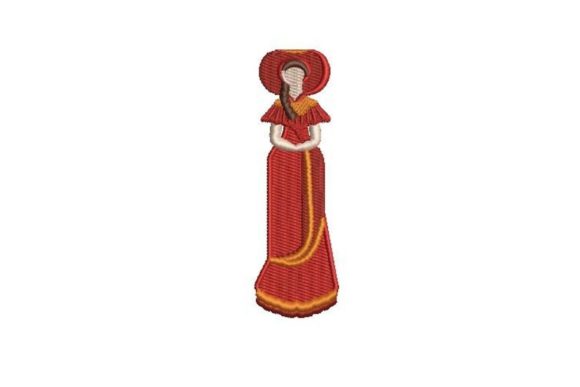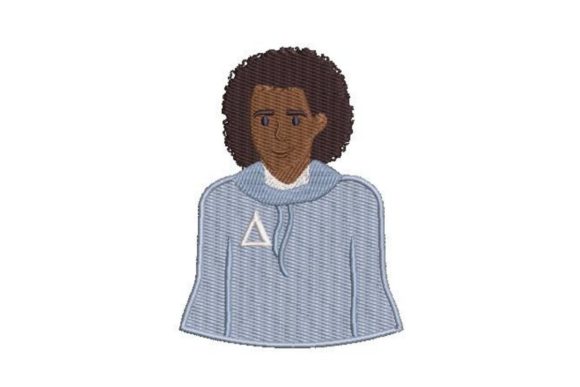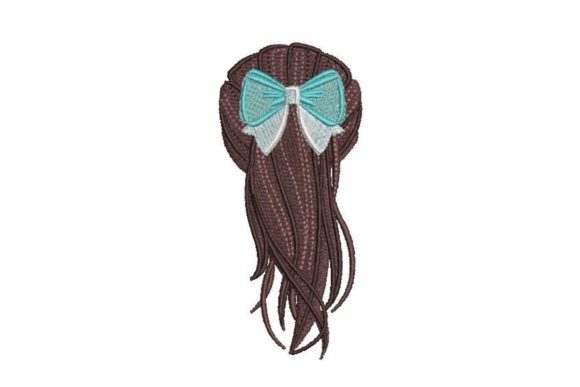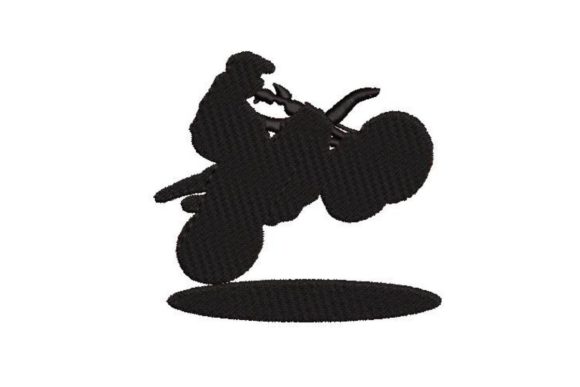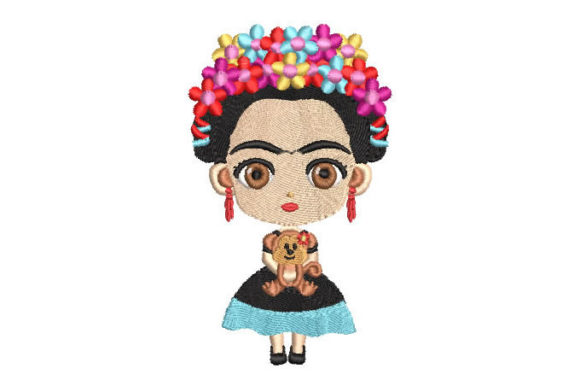
Reviewing Colorful Girl Woman for Real Embroidery Projects
As a designer who spends half my life hooped up at the machine and the other half managing digital assets for small shop owners, I have learned to look past the glossy preview images. When I first pulled up Colorful Girl Woman, my initial reaction was not just about cuteness, but about viability. In the world of machine embroidery design, a file can look stunning on a screen yet fail miserably on fabric. This review breaks down how this specific embroidery file holds up when moved from the digital realm to actual stitched products.
First Impressions and Visual Personality
The immediate mood of Colorful Girl Woman is playful and vibrant. It does not rely on heavy shading or complex gradients, which is often a blessing for home embroiderers. The layout suggests a focus on bold shapes and clear lines. For those of us who work with thread colors daily, this is promising. Designs that depend too heavily on subtle tonal shifts often get lost in the texture of the thread, but this design appears to prioritize contrast and clarity.
The visual personality fits squarely into the "whimsical" category. While the product category lists it under Boys, the aesthetic is versatile enough to cross gender lines depending on your color choices. A pastel palette might lean traditional, while high-contrast neons could make it pop for a modern, gender-neutral custom apparel line. The key here is the balance between detail and stitchability. It looks like a design that respects the limitations of the needle while maximizing visual impact.
Real-World Application: The Tote Bag Test
To truly evaluate an embroidery project, I imagine it on a specific product. Let’s consider a canvas tote bag design. Canvas is a sturdy, textured fabric that can chew up delicate stitches if the density is wrong. Colorful Girl Woman seems robust enough for this application. The larger fill areas would likely use a standard fill stitch pattern that provides good coverage without becoming a puckering nightmare.
If I were producing this for an Etsy seller or a local craft fair, I would pair this design with a natural cotton tote. The colorful accents would stand out against the neutral background, creating a high-perceived value item. Customers often judge the quality of a handmade product by the crispness of the edges. If this design utilizes clean satin stitch borders around the main elements, it will elevate the perceived professionalism of the finished product.
Apparel and Wearables
Moving beyond bags, let’s talk about sweatshirt embroidery. Fleece and French terry are forgiving fabrics, but they require careful attention to stabilizer choice. Because this design is described as cute and colorful, it would work exceptionally well on the chest pocket area of a hoodie or centered on a child’s sweater. The scale seems appropriate for these locations—not so large that it stiffens the entire garment, but detailed enough to be noticed.
For baby embroidery, such as onesies or burp cloths, softness is paramount. If the design has dense stitching in small areas, it might feel scratchy against sensitive skin. I would recommend testing a sample on soft jersey knit with a tear-away or cut-away stabilizer, depending on the stretch. The running stitch elements, if present in the finer details, should be checked to ensure they do not pull or distort the thin fabric.
Technical Considerations for Designers
Before you load this digital embroidery file into your software, there are practical steps to take. First, always check the hoop size requirements. Even if the design is small, ensure your machine can accommodate the necessary frame, especially if you plan to hoop multiple items at once for a small shop product run.
Stitch density is another critical factor. High-density designs look rich but can cause fabric distortion. Since Colorful Girl Woman is intended for items like pajamas and t-shirts, which are often made of lighter or stretchier materials, you must verify that the density is optimized for these substrates. If the preview shows solid blocks of color, ensure there is adequate underlay stitching to support the top threads.
Thread color contrast is vital for this type of design. Because it relies on being "colorful," using muted or similar-toned threads will flatten the image. I suggest creating a printable mockup or using your embroidery software’s 3D preview to test different palettes. Try a high-contrast scheme first to see how the shapes define themselves. Then, try a monochromatic version to see if the design holds its structure without color reliance. This is a useful trick for creating versatile design assets for your portfolio.
Where to Use Caution
While this design is versatile, it is not universal. Be cautious when applying it to curved surfaces like caps. The structural integrity of the design needs to withstand the curvature without distorting the facial features or main elements of the girl character. Additionally, avoid using it on very dark fabrics unless you are confident in your ability to manage thread visibility. Light colors on dark fabric can sometimes show the backing or bobbin thread if the tension is not perfect.
For commercial embroidery projects involving frequent washing, such as kitchen towels or active wear, ensure that the stitch types used are secure. Satin stitches can snag if they are too long or loose. If this design is intended for an embroidered patch, consider adding a border stitch to seal the edges and prevent fraying over time.
Final Verdict for Craft Entrepreneurs
Colorful Girl Woman offers a charming aesthetic that aligns well with current trends in personalized gifts and boutique branding. For the craft business owner, it represents a low-risk, high-reward addition to your library. It is simple enough for beginners to stitch successfully but stylish enough to appeal to discerning buyers.
Remember to always review the license terms associated with the embroidery file. Whether you are selling holiday embroidery items or everyday custom apparel, knowing your rights regarding commercial use is essential. Test on scrap fabric, adjust your tension, and choose your stabilizer wisely. When executed with care, this design can become a staple in your finished product lineup, bringing a splash of joy to every item it adorns.