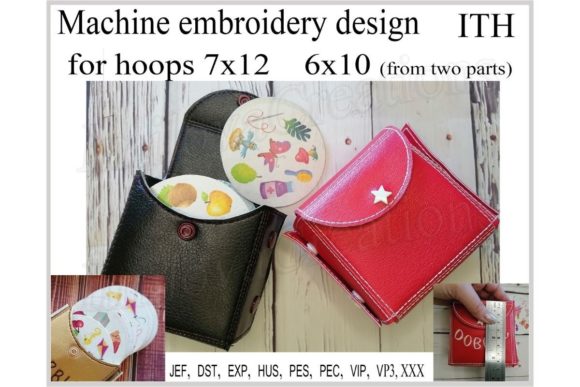
Review: Playing Card Case in the Hoop for Business
As an embroidery designer who has spent years digitizing files for boutique brands and corporate clients, I approach every new machine embroidery design with a critical eye. It is not just about whether the image looks cute on a screen; it is about how that design performs under the needle, how it wears over time, and how it elevates a brand’s identity. Today, I am reviewing the Playing Card Case in the Hoop, a digital asset that promises to be an easy project with a cheerful touch. While the product description highlights its suitability for family crafting, I want to evaluate its potential for small business merchandise, branded patches, and professional custom apparel.
First Impressions: Visual Personality and Brand Fit
The title Playing Card Case in the Hoop immediately suggests a playful, nostalgic aesthetic. In the world of Games and leisure, this motif carries connotations of strategy, fun, and classic entertainment. For a business owner, understanding the visual personality of a design is crucial. This design feels friendly, handmade, and slightly rustic. It does not scream high-tech or ultra-modern minimalism; instead, it offers a warm, approachable vibe.
For businesses like board game cafes, hobby shops, or creative studios that host community events, this design aligns perfectly with a brand identity centered on connection and play. However, for a luxury law firm or a sleek tech startup, this might feel too casual. The key is context. When used correctly, such as on a tote bag for a local game night or a patch for a youth club uniform, it adds a layer of charm that sterile logos often lack.
Commercial Applications Beyond the Hobby Room
The product description notes that this is an "easy project," which is excellent news for production efficiency. In a commercial setting, time is money. A design that stitches out cleanly without excessive thread breaks or complex color changes is ideal for bulk orders. Here is how I envision the Playing Card Case in the Hoop working in a professional environment:
- Embroidered Patches: This is perhaps the strongest use case. By stitching the design onto twill or felt and cutting it out, you create a durable embroidered patch. These can be sold as standalone accessories or applied to denim jackets, backpacks, and hats. The "in the hoop" nature suggests a finished edge, which reduces fraying and increases perceived value.
- Tote Bag Design: Canvas tote bags are a staple for bookstores, farmers' markets, and boutiques. Placing this design on a natural cotton tote creates a cohesive handmade product that customers love to carry. The cheerful touch mentioned in the description translates well to everyday carry items.
- Staff Uniforms and Aprons: For a cafe or a craft store, adding a small version of this design to the corner of an apron embroidery panel or a chest pocket adds personality without overwhelming the professional look. It signals to customers that the staff is approachable and fun.
- Cap Embroidery: While possible, cap fronts are curved and unforgiving. If the design includes fine details, it may need simplification. However, a simplified version could work well as a side-panel accent on a baseball cap, appealing to a younger demographic.
Technical Considerations for Professional Results
Before running a production batch, any serious embroidery shop must address technical variables. The description states the design comes in multiple sizes, with some being taller or wider depending on the aspect ratio. This variability requires careful attention to hoop size and placement. You cannot assume one file fits all hoops. Always check the specific dimensions against your machine’s capabilities.
Furthermore, the mention of it being an "easy project" suggests moderate stitch density. However, when scaling down for small patches or left-chest logos, density can become an issue. If the stitches are too close together on a small scale, the fabric may pucker. Conversely, if the design is scaled up significantly for a back-of-jacket piece, the spacing might look sparse. I recommend creating a printable mockup at actual size to visualize the stitch path before committing to fabric.
Fabric texture also plays a vital role. This design will likely perform best on medium-weight cottons, twills, or stable blends. Avoid using it on slippery synthetics or highly textured fleeces unless you have extensive experience with stabilizers. A cut-away stabilizer is generally recommended for items that will undergo frequent washing, such as uniforms or tote bags, to ensure the design remains flat and intact over time.
Brand Identity and Customer Trust
Why does the choice of a specific digital embroidery file matter for brand identity? Consistency builds trust. If your brand is known for whimsical, handcrafted goods, using a design like the Playing Card Case in the Hoop reinforces that narrative. It shows attention to detail and a commitment to quality craftsmanship. Customers perceive embroidered items as higher value than printed ones because of the tactile nature of the thread.
When you offer this as part of your small business merch line, you are not just selling a product; you are selling an experience. The "cheerful touch" described in the product details can enhance buyer engagement. Imagine a customer receiving a loyalty card holder or a small pouch with this embroidery. It feels personal and special, encouraging repeat business and social media shares.
Practical Designer Notes for Production
To ensure success with this design in a commercial setting, follow these steps:
- Test in Black and White First: Before investing in expensive rayon or polyester threads, stitch a test sample in black thread on white fabric. This allows you to inspect the spacing, registration, and overall shape without the distraction of color. It helps identify if any elements are too small or if the thread colors need adjustment for contrast.
- Verify Commercial Licensing: The description does not explicitly state the license terms. As a professional, never assume a file is cleared for commercial use. Check the seller’s policy to confirm you can use the design assets for products you intend to sell. This protects your business from legal issues.
- Check File Formats: Ensure the download includes the format compatible with your machine (e.g., PES, DST, JEF). Missing formats can halt production.
- Create Client Mockups: If you are doing this for a client, place the design on a photo of the actual garment or item. This manages expectations and ensures the finished product meets their vision for custom apparel or accessories.
- Evaluate Washability: If the end product is a uniform or a frequently used tote, wash-test your sample. Check for thread bleeding or shrinkage. This step is non-negotiable for maintaining professional standards.
Final Verdict
The Playing Card Case in the Hoop is a versatile addition to any embroidery library, particularly for businesses targeting a playful, creative, or community-focused audience. While it originates from a hobbyist context, its clean lines and cheerful aesthetic translate well to commercial embroidery when handled with professional care. By paying attention to stabilizer choice, hoop sizing, and fabric compatibility, you can transform this simple design into a high-value asset for your brand. Whether used for patches, aprons, or tote bags, it offers a tangible way to connect with customers through the art of Embroidery.