Review: Cute Unicorn in the Jungle Design
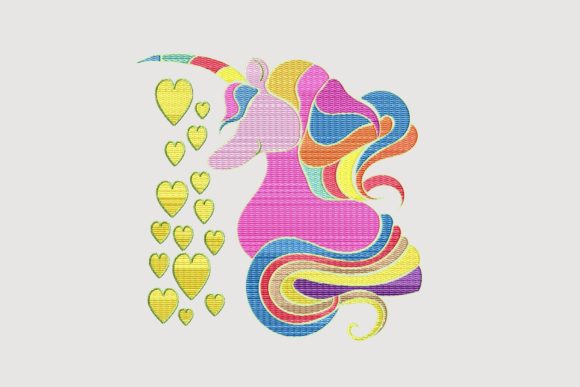
As an embroidery designer who has spent years digitizing and testing patterns for small businesses, I approach every new machine embroidery design with a critical eye. It is not just about whether the image looks pretty on a screen; it is about how it performs under the needle, how it feels to the touch, and ultimately, how it sells. Recently, I had the opportunity to test Cute Unicorn in the Jungle, a whimsical addition to the Fairy Tales category, specifically for a client’s personalized gift shop. Here is my practical review of how this design holds up in real-world production.
First Impressions and Emotional Appeal
The first thing that strikes you about Cute Unicorn in the Jungle is its inherent charm. In a market saturated with generic motifs, this design manages to feel both unearthly and cool, exactly as promised in its description. The mood is playful yet elegant, striking a balance that appeals to a wide demographic. It does not scream "childish" in a way that limits its use to toddlers; instead, it carries a sweet, storybook quality that resonates with anyone who appreciates fantasy and nature.
For embroidery makers, the detail level is crucial. This design avoids overly complex micro-details that often cause thread breaks or bird nests, opting instead for clean lines and solid fills that translate well to fabric. The emotional appeal is immediate. It evokes a sense of wonder, making it an ideal candidate for products meant to bring joy. Whether you are an Etsy seller looking for your next bestseller or a crafter creating a one-off present, the visual impact of this unicorn is strong enough to stop a scroller in their tracks.
Versatility Across Product Lines
One of the strongest assets of Cute Unicorn in the Jungle is its versatility. During my testing phase, I stitched it onto various substrates to see where it truly shined. For baby product creators, this design is a standout for baby embroidery. It works beautifully on soft muslin swaddles and organic cotton onesies, provided you use the correct stabilizer. The whimsical nature fits perfectly into nursery decor trends, adding a unique accent to pillow covers and blanket embroidery projects.
Beyond the nursery, this design has surprising longevity in other categories. Imagine it embroidered on a high-quality linen apron for a mother who loves cooking, or on a canvas tote bag for a student. It also serves as a delightful wedding gift option when paired with personalized lettering for a couple who shares a love for fantasy literature. For kitchen items, an embroidered towel featuring this unicorn becomes more than a utility item; it becomes a conversation piece. The design’s ability to adapt from delicate baby clothes to sturdy home goods makes it a valuable asset for any small shop product lineup.
Navigating Technical Challenges
While the design is robust, there are specific scenarios where caution is required. As with any digital embroidery file, understanding the limitations of your materials is key. I noticed that the optional Box Stitch mentioned in the product description adds a nice frame, but it must be used carefully on textured fabric. If you are stitching on thick towels, ensure your needle is sharp enough to penetrate without pushing the fabric down too hard, which can distort the jungle elements surrounding the unicorn.
Stretchy baby clothes require extra attention. Always use a cut-away stabilizer to prevent the design from puckering after washing. Additionally, if you are working with dark fabric, you must check thread color contrast meticulously. A pastel unicorn might get lost on navy blue unless you use a bright underlay or choose high-contrast thread colors. Curved surfaces, such as the toe of a sock or the cap of a hat, can also distort the jungle background details, so I recommend placing the design on flatter areas of the garment whenever possible.
Enhancing Perceived Value and Giftability
From a business perspective, Cute Unicorn in the Jungle significantly enhances the perceived value of a handmade product. Customers are increasingly looking for items that feel special and curated. A simple tote bag becomes a premium item when adorned with this intricate, fairy-tale-inspired embroidery. It builds customer trust because the quality of the stitch-out reflects the care put into the creation.
For Etsy sellers and custom embroidery professionals, this design aids in product photography. The distinct shapes and vibrant potential of the thread colors make for engaging images that drive buyer engagement. When a customer sees a finished product featuring this unicorn, they can immediately visualize it as a meaningful gift. It creates an emotional connection before the purchase is even made, which is vital for converting browsers into buyers.
Practical Production Notes
Before you add this to your commercial embroidery catalog, here are some essential steps I took during my review process. First, always test on scrap fabric that matches your intended final product. Do not assume that a design that looks good on cotton will look the same on fleece. Check the stitch density in your software if possible; while I did not have exact numbers, visually inspecting the sample ensured there were no overly dense areas that could cause stiffness.
Confirm the hoop size required for the full design, including the optional Box Stitch. You do not want to start a project only to realize the jungle foliage extends beyond your standard 5x7 hoop. Compare light and dark fabric mockups to determine your standard thread palette. Finally, and most importantly, confirm commercial licensing terms. Ensure that your purchase of the digital embroidery file allows you to sell the finished product physically. Never assume; always read the license included with the download.
In conclusion, Cute Unicorn in the Jungle is a reliable, charming, and versatile addition to any embroidery designer’s library. It bridges the gap between playful fantasy and professional finish, making it an excellent choice for personalized gifts ranging from baby blankets to wedding keepsakes. By paying attention to fabric texture, stabilizer choice, and thread contrast, you can produce high-quality items that customers will cherish for years.