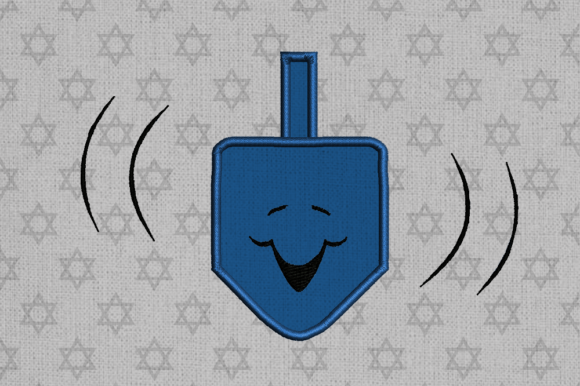
Happy Hanukkah Dreidel: A Craft Fair Review
As an embroidery designer who has spent countless weekends behind a booth table, I know that the difference between a browser and a buyer often comes down to visual impact. When I first loaded the Happy Hanukkah Dreidel machine embroidery design into my software, my immediate reaction was one of relief. In the crowded marketplace of holiday decor, finding a motif that balances festive cheer with clean, stitchable lines is rare. This superb happy embroidery of a spinning dreidel will definitely put a smile on your face. It captures the whimsical motion of the game without sacrificing the structural integrity needed for commercial embroidery.
First Impressions and Visual Appeal
The aesthetic of this design leans heavily into the "festive" and "cute" categories, making it an ideal candidate for small shop products targeting families and gift-givers. Unlike overly intricate designs that can look muddy from a distance, this piece relies on bold shapes and clear outlines. For a craft fair seller, this is crucial. Customers walking past your booth need to understand what they are looking at within three seconds. The spinning effect is achieved through smart line work rather than excessive fill, which keeps the design legible even on smaller items.
When considering how this fits into the broader Holidays category, it stands out as a joyful, approachable piece. It does not try to be ultra-modern or minimalist; instead, it embraces the traditional warmth of the season. This makes it versatile for various demographics, from young parents buying their child’s first holiday outfit to grandparents looking for handmade home decor.
Product Applications for Maximum Sales
To maximize return on investment, you must pair the right design with the right substrate. Here is how I envision using this digital embroidery file across a typical craft fair inventory:
- Tote Bag Design: This is perhaps the strongest application. A natural canvas tote with the dreidel centered creates an instant bestseller. The sturdy fabric supports the stitch density well, and the item serves as both a practical bag and a statement piece.
- Apron Embroidery: Holiday cooking is a massive theme in December. Stitching this onto a bib apron adds a personalized touch that mass-produced items lack. Ensure the placement is high enough to avoid interference with pockets.
- Tea Towel Embroidery: Kitchen textiles are impulse buys. However, be cautious with textured towels. If the fabric loop is too high, the fine details of the spinning motion may get lost. Opt for smoother flour sack towels for better clarity.
- Embroidered Patch: Creating iron-on or sew-on patches allows customers to customize their own jackets or bags. This extends the life of your design assets beyond finished goods.
- Caps and Beanies: While popular, curved surfaces are tricky. The design must be scaled down significantly to fit the front panel of a cap without distorting. Test this rigorously before offering it as a product.
Production Practicality and Batch Efficiency
For any Etsy seller or boutique maker, time is money. One of the strongest selling points of this design is its repeatability. Because it avoids excessive satin stitches that can pull or pucker, it is relatively forgiving during batch production. You can hoop multiple items quickly, confident that the outcome will be consistent. This consistency is vital for maintaining brand consistency and professional quality in your finished product lineup.
Photography is another area where this design shines. The clear lines and cheerful subject matter translate beautifully into a printable mockup for your online listings. Whether you are selling the physical item or the digital embroidery file itself, the visual clarity helps customers visualize the end result. High-contrast thread colors against neutral fabrics will make the design pop in thumbnail images, driving higher click-through rates.
Technical Considerations and Careful Use
While the design is user-friendly, there are technical nuances every embroidery business owner should address before launching. First, always check the stitch density. Even though the design appears light, dense areas can cause puckering on thin fabrics. Using the correct stabilizer is non-negotiable. For knit fabrics like t-shirts or beanies, a cut-away stabilizer is recommended to prevent distortion over time. For woven fabrics like tote bags or pillow covers, a tear-away may suffice, but testing is key.
Thread color selection plays a massive role in the final look. The description suggests a happy vibe, so consider using vibrant blues, golds, and whites. However, avoid placing light threads on dark fabrics without an underlay, as the background fabric can show through and dull the colors. Conversely, ensure that tiny details do not disappear if you choose monochromatic threads. Contrast is your friend here.
Another critical factor is hoop size. Since the prompt does not specify exact dimensions, you must verify the maximum hoop size required in your software. If the design is large, ensure your machine can accommodate it. If you plan to scale it down for small pouches or ornaments, check that the smallest elements remain intact. Designs that lose clarity at smaller sizes can look amateurish and hurt your reputation as a skilled maker.
Strategic Advice for Sellers
Before you commit to producing a full inventory, follow these steps to ensure success:
- Test on Scrap Fabric: Never run a new design on your final product first. Use similar weight and texture scraps to check for registration issues or thread breaks.
- Review Spacing: Look closely at the spacing between the dreidel and any surrounding elements. Tight spacing can cause thread nests.
- Confirm Commercial Licensing: If you are purchasing this as a digital embroidery file, read the license terms carefully. Ensure you have the rights to sell the finished product commercially. Some designers restrict the number of units you can sell or prohibit sharing the file itself.
- Create Real Mockups: Do not rely solely on digital previews. Stitch one sample on each type of fabric you intend to sell (canvas, cotton, fleece) to see how the fabric texture interacts with the stitches.
In conclusion, the Happy Hanukkah Dreidel is a strong contender for your holiday lineup. It offers the right blend of festive charm and production efficiency. By paying attention to fabric choice, stabilizer selection, and strategic product placement, you can turn this single design into a significant revenue stream for your handmade business. It is not just about stitching a picture; it is about creating a tangible piece of joy that resonates with buyers looking for authentic, handcrafted holiday spirit.