Güira Embroidery: A Bold Accent for Boutique Apparel
As an embroidery designer who spends more time staring at digitized stitches than I do sleeping, I am always on the hunt for designs that break the monotony of standard floral or typographic motifs. When I stumbled upon Güira in the Music category on Creative Fabrica, it immediately caught my eye. This is not just another generic musical note; it is a specific cultural reference to the Dominican Republic’s iconic percussion instrument. For boutique apparel decorators and small clothing brands, this machine embroidery design offers a unique opportunity to inject personality, rhythm, and cultural appreciation into a collection.
Visual Personality and Stitching Mood
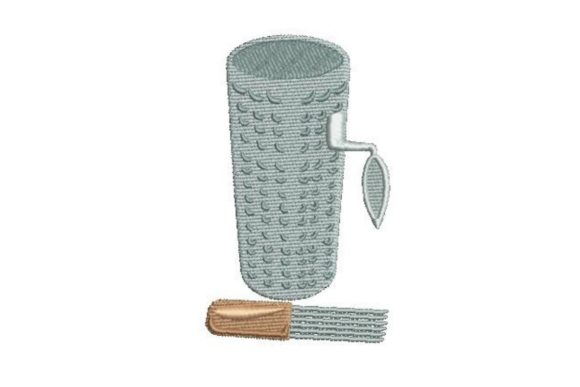
The first impression of the Güira design is one of textured realism mixed with graphic simplicity. The güira itself is a metal sheet scraper, played with a stiff brush, and the design captures this industrial yet organic feel beautifully. Visually, it feels rustic but trendy, striking a balance between casual streetwear and thoughtful artisanal craft. It does not scream "loud"; rather, it whispers "unique."
For those of us planning a product line, the mood here is distinctly authentic. It avoids the overly cute or childish aesthetic often found in music-themed embroidery. Instead, it leans into a bold, minimalist vibe that works exceptionally well for modern audiences. Whether you are targeting Etsy sellers looking for niche cultural items or creative entrepreneurs building a lifestyle brand, this design carries a premium weight. It suggests that the wearer knows something about global rhythms, adding a layer of sophistication to what might otherwise be a plain garment.
Integrating Güira into Sweatshirt and Hoodie Collections
I recently began mocking up a small capsule collection for an online shop, focusing on neutral sweatshirts and pastel hoodies. This is where Güira truly shines. On a heavy, cream-colored fleece hoodie, the metallic implication of the instrument contrasts wonderfully with warm thread colors like bronze, copper, or deep teal. The design serves as an excellent focal point for chest placement, where it remains visible but not overwhelming.
For oversized garments, which are currently dominating the market, I recommend using this design as a sleeve accent. Placing the güira near the cuff or mid-arm adds a subtle detail that customers notice only when they get closer. This creates a sense of discovery and quality. On dark apparel, such as charcoal or navy blue sweatshirts, using high-contrast thread colors like white or bright yellow can make the embroidery file pop, turning a basic piece into a statement item. The key is to let the shape of the instrument dictate the flow of the stitches, ensuring the "brush" element looks dynamic rather than static.
Versatility Across Different Apparel Types
Beyond hoodies, this design has surprising versatility. For t-shirt embroidery, the lighter fabric requires careful attention to stitch density. If the design is too dense, it may pucker the jersey knit. However, if the digitization is clean, it can sit beautifully on the left chest of a premium cotton tee. I also envision this working remarkably well on denim jackets. The rugged texture of denim complements the metallic nature of the güira, creating a cohesive visual narrative. Here, you might opt for thicker threads to enhance the tactile experience.
Tote bags are another excellent canvas. A large-scale version of the Güira design centered on a canvas tote creates an instant bestseller for music lovers and cultural enthusiasts. It transforms a utilitarian item into a piece of wearable art. For cozy seasonal outfits, think about pairing this design with ribbed beanies or scarves, though you must be cautious with stretchy fabrics. The rigid nature of the embroidery needs a stable base to prevent distortion.
Technical Considerations for Professional Results
Before running this design on your production machine, there are several practical steps to take. First, always test on scrap fabric that matches your final garment. If you are using fleece for a sweatshirt embroidery project, use a cut-away stabilizer to provide lasting support. For t-shirts, a tear-away might suffice, but check the pull stability. The hoop size required for this design will depend on the specific file variations provided, so confirm those details in the product description before purchasing.
Thread color contrast is critical. Since the güira is a metal instrument, consider using variegated threads that shift from silver to gold, or stick to solid matte colors for a more understated look. Inspect the stitch path carefully in your software. Look for any long jumps that might need trimming or areas where the stitch direction might cause the fabric to gather. Remember, a professional presentation relies on flawless execution. A wrinkled or puckered design undermines the perceived value of your handmade product.
Enhancing Brand Identity and Commercial Value
Incorporating unique designs like Güira into your lineup does more than just fill inventory; it builds brand identity. For small shop owners, offering culturally specific and artistically distinct items helps differentiate your store from mass-market retailers. It fosters buyer trust because it shows curation and intent. When customers see a well-executed embroidery of a specific cultural instrument, they perceive the brand as knowledgeable and respectful.
This design also aids in visual consistency for social media graphics and printable mockups. The clean lines of the güira photograph well, allowing you to create compelling lifestyle images that drive engagement. For commercial embroidery products, ensure you review the licensing terms on Creative Fabrica. Most designs allow for physical sales of finished goods, but confirming this protects your business. By using high-quality digital embroidery file assets, you elevate your entire catalog, making each piece feel like part of a cohesive, thoughtful collection.
Final Designer Notes
If you are ready to add this to your repertoire, start small. Order the file, stitch it out on a similar fabric to your intended product, and evaluate the result. Check for thread breaks, tension issues, and overall aesthetic appeal. Does it look premium? Does it feel balanced? Once you are satisfied, integrate it into your next drop. Whether for a boutique brand or a personal project, Güira offers a rhythmic touch that resonates with quality and culture. It is a reminder that embroidery is not just about decoration; it is about storytelling through stitch.