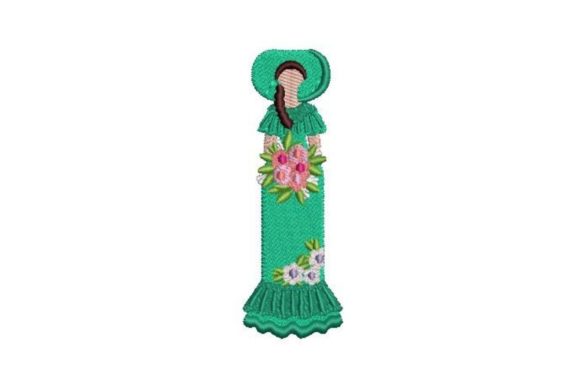
Dominican Faceless Doll: A Designer’s Review
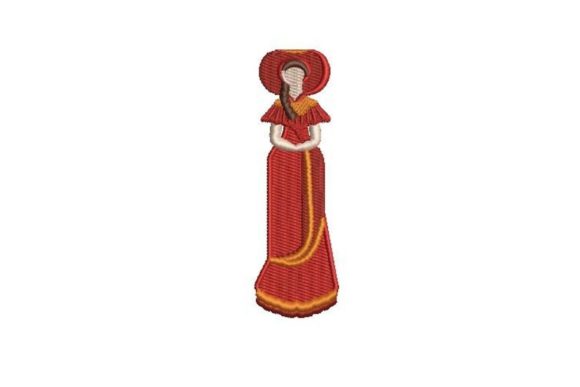
As an embroidery designer who has spent years digitizing for boutique brands and small online shops, I approach every new machine embroidery design with a critical eye. It is not just about whether the file runs smoothly; it is about how the finished product feels in the hand and looks on the rack. Recently, I had the opportunity to test the Dominican Faceless Doll design for a limited-edition sweatshirt drop. This piece belongs to the Around The World category, tapping into the rich cultural aesthetic of traditional craftsmanship while offering a modern twist suitable for contemporary custom apparel.
First Impressions: Mood and Aesthetic
The first thing that strikes you about the Dominican Faceless Doll is its inherent charm. The description promises a "delicate, fresh look," and upon loading the digital embroidery file into my software, I could see exactly what that meant. Unlike bold, aggressive graphics often seen in streetwear, this design carries a softer, more narrative quality. It feels decorative yet grounded, blending rustic folk art elements with a clean, modern silhouette.
For a boutique brand looking to differentiate itself from mass-market retailers, this aesthetic is gold. It does not scream for attention; instead, it invites curiosity. The lack of facial features, typical of these traditional dolls, adds a layer of mystery and universality. It allows the wearer to project their own identity onto the garment, making it a powerful tool for customer engagement. In terms of style, I would classify this as playful yet minimal, striking a balance that appeals to both younger demographics and those who appreciate handmade authenticity.
Visualizing the Design on Sweatshirts
When planning a sweatshirt embroidery project, fabric choice is paramount. I tested the visual impact of the Dominican Faceless Doll across several common apparel bases. On neutral sweatshirts, such as heather grey or oatmeal, the design pops with a sophisticated contrast. The intricate details of the doll’s clothing stand out against the plain background, creating a focal point that feels premium and intentional.
On dark fabrics like navy or charcoal, the design requires careful selection of thread colors. Lighter, pastel threads can create a beautiful, ethereal effect, enhancing the "fresh" look mentioned in the product description. However, one must ensure sufficient contrast so the details do not get lost in the shadow of the fabric. For pastel-colored hoodies, using deeper, saturated threads can ground the design, preventing it from looking washed out. This versatility makes it an excellent candidate for a cohesive seasonal collection where variety is key.
I also considered oversized hoodies. The scale of the Dominican Faceless Doll works well for chest placement, offering a subtle accent that does not overwhelm the garment. For a bolder statement, it could be enlarged for back designs, though this would require checking the stitch density to ensure the fabric does not pucker under the weight of the thread.
Technical Considerations for Production
From a technical standpoint, preparing this design for production requires attention to detail. Since the product description notes that it comes with multiple embroidery file formats, it is compatible with various machines. However, before running a full batch, I always recommend checking the specific stitch count and hoop size requirements, which are not explicitly detailed in the brief description provided. Ensuring the design fits your standard hoop size is crucial for efficiency in a small shop environment.
Stitch density is another critical factor. Sweatshirts are typically made from thicker, textured fabrics like French terry or fleece. If the design is too dense, it can become stiff and uncomfortable. If it is too light, the fabric texture might show through, disrupting the visual clarity. Based on the "delicate" nature of the design, I suspect it uses a moderate density, but a test run on actual fabric is non-negotiable. Using the right stabilizer is equally important. A cut-away stabilizer is generally recommended for knit fabrics to provide lasting support and prevent distortion after washing.
Washing durability is a major concern for commercial embroidery. Customers expect their handmade products to last. The faceless doll motif, with its potential for fine details, must hold up to repeated laundering. Testing for thread breakage and colorfastness is essential to maintain buyer trust and protect your brand’s reputation.
Enhancing Brand Identity and Value
Incorporating the Dominican Faceless Doll into your lineup can significantly elevate your brand identity. For an Etsy seller or small business owner, offering unique, culturally inspired designs sets you apart from competitors selling generic clipart. This design tells a story, connecting the wearer to a broader tradition of Embroidery art from around the world.
Visually, this design lends itself beautifully to lifestyle product photography. Imagine a cozy, oversized sweater with the doll embroidered on the chest, styled with natural light and rustic props. These images create an emotional connection, driving higher engagement on social media and increasing conversion rates. A high-quality printable mockup can help visualize this before production, but nothing beats the tactile appeal of the finished product in person.
Furthermore, this design supports the narrative of the handmade product. It reinforces the idea that each item is crafted with care, justifying a higher price point. Customers are increasingly willing to pay for uniqueness and quality. By offering this as part of a curated collection, you enhance the perceived value of your entire store.
Practical Tips for Implementation
- Thread Selection: Experiment with matte cotton threads for a rustic feel or shiny rayon for a more vibrant, modern look. The choice of thread can drastically change the mood of the Dominican Faceless Doll.
- Placement: For sweatshirts, consider left-chest placement for a subtle, premium look. For hoodies, a larger center-chest placement can make a stronger visual statement.
- Fabric Texture: Be mindful of the fabric texture. Highly textured fleece may obscure fine details, so a smoother French terry might be a better canvas for this delicate design.
- Testing: Always run a test stitch-out on the exact fabric and stabilizer combination you plan to use for production. Check for puckering, thread breaks, and overall visual clarity.
Final Verdict
The Dominican Faceless Doll is a versatile and charming addition to any embroidery designer’s library. It bridges the gap between traditional folk art and modern fashion, making it ideal for boutique brands looking to offer something special. Whether used on cozy seasonal apparel or everyday hoodies, it adds a touch of whimsy and sophistication. Just remember to verify the specific technical details like stitch count and hoop compatibility before starting your production run. With careful execution, this design can become a standout piece in your small shop product lineup, driving sales and building a loyal customer base.