Bacon Embroidery Design: A Practical Review for Makers
As a designer who has spent countless hours digitizing and stitching out machine embroidery design files, I have learned that the charm of a motif often lies in its simplicity. When I first loaded the Bacon design into my software, I was struck by its immediate recognizability. It is not just a graphic; it is a mood. For anyone running a craft business or selling on platforms like Etsy, understanding how a simple food icon translates from screen to fabric is crucial. This review breaks down how this specific Embroidery asset performs in real-world applications, moving beyond the marketing copy to look at stitch behavior, fabric compatibility, and commercial viability.
First Impressions and Visual Personality
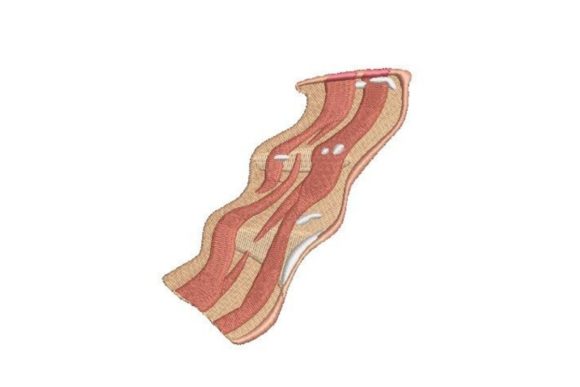
The Bacon design captures a playful, rustic aesthetic that fits seamlessly into the modern farmhouse or quirky kitchen decor trends. Visually, it relies on clean lines and distinct color blocking. In the context of Food themed embroidery, bacon is a high-recognition subject. The design does not attempt to be photorealistic, which is a smart choice for machine embroidery. Instead, it uses stylized shapes that allow the thread to do the heavy lifting. This approach ensures that the design remains legible even when scaled down for smaller items like coasters or baby bibs.
For a handmade product creator, this visual clarity is essential. Customers browsing online need to instantly understand what they are looking at. A muddy or overly complex design can lose its impact when stitched out, but this piece maintains its character. The wavy structure of the bacon strip offers natural opportunities for creative stitch placement, allowing for a mix of satin stitch borders and fill stitch interiors that add texture without excessive bulk.
Real-World Application: The Kitchen Towel Test
To evaluate the practical utility of this design, I imagined a common scenario for many Etsy seller accounts: creating a set of custom kitchen towels. The product description suggests using this lovely piece of bacon design to decorate your kitchen towels, and this is indeed its strongest use case. However, execution matters. When stitching onto terry cloth or waffle weave fabrics, the stitch density becomes a critical factor. If the design is too dense, it can cause the towel to pucker or become stiff. If it is too light, the underlying fabric texture might show through, reducing the vibrancy of the reds and whites.
In my assessment, this design works well as a tote bag design or apron accent because these items typically use stable, medium-weight cottons or canvas. These fabrics provide a solid foundation for the stitches, ensuring the bacon shape remains crisp. For a personalized gift, such as a "Bacon Lover" apron, the design serves as a focal point that invites conversation. It is friendly, unpretentious, and universally understood, making it a safe yet engaging choice for boutique branding.
Navigating Fabric and Hoop Constraints
While the design is versatile, it requires careful consideration when applied to challenging materials. For instance, using this on stretchy fabrics for custom apparel like t-shirts requires a cut-away stabilizer to prevent distortion. The wavy edges of the bacon could easily warp if the fabric shifts during stitching. Similarly, for sweatshirt embroidery, the pile of the fleece can obscure fine details. I recommend testing the design on scrap fabric first to determine if the thread colors provide enough contrast against dark heathered grays or navies commonly found in hoodies.
Another area for caution is small hoop sizes. If you are creating an embroidered patch or a small label, ensure that the smallest details of the bacon strip do not become lost. Tiny corners and tight curves can lead to thread breaks or bird nests if the digitizing is not optimized for small scales. Always check the recommended hoop size provided with the digital embroidery file. If the file comes in multiple formats, choose the one that best matches your machine’s capabilities to avoid resizing issues that can degrade stitch quality.
Commercial Viability and Brand Consistency
For small shop product lines, consistency is key. This Bacon design fits well within a broader collection of breakfast or kitchen-themed items. It pairs nicely with other applique design elements or complementary icons like eggs, coffee cups, or spatulas. Using a cohesive set of designs helps build brand recognition. When customers see a consistent style across your finished product listings, it builds trust and perceived value.
From a marketing perspective, this design is highly shareable. Food imagery performs well on social media, and a well-stitched bacon motif on a holiday embroidery project, such as a Christmas morning brunch apron, can drive engagement. It is also suitable for printable mockup creation. Before committing to large production runs, create digital previews to show potential buyers how the design looks on different backgrounds. This helps manage expectations and reduces return rates.
Technical Notes for the Serious Stitcher
Before launching this design into your commercial embroidery workflow, consider these technical checkpoints:
- Check Thread Contrast: Bacon relies on the interplay of reddish-browns and whites. Ensure your thread palette has sufficient variation to create depth. Flat, single-color fills may look cartoonish rather than appetizing.
- Review Stitch Density: High density can make fabric stiff. If using this on delicate items like baby embroidery projects, verify that the fill is not too aggressive.
- Test on Dark Fabric: If stitching on black or navy, you may need an underlay or a white base layer to make the colors pop. This is especially important for the lighter fat marbling in the design.
- Confirm Licensing: Always read the license terms included with the embroidery file. Ensure you are permitted to sell finished items made with this design, particularly if you are scaling up your craft business.
- Inspect Small Details: Zoom in on the digitized file. Look for any unnecessary jump stitches or loose ends that might need trimming. Clean finishes contribute to a professional handmade product presentation.
Final Verdict
The Bacon embroidery design is a solid addition to any designer’s library of food-themed assets. It balances whimsy with technical feasibility, making it suitable for a wide range of projects from kitchen towel sets to custom apparel. Its strength lies in its simplicity and immediate visual appeal. However, success depends on the maker’s attention to fabric choice, stabilizer selection, and thread quality. By treating this design with the same care you would give to more complex patterns, you can create high-value items that resonate with customers. Whether you are decorating a pillow cover for a diner-themed cafe or creating a unique personalized gift for a barbecue enthusiast, this design delivers reliable results when handled with professional insight.